

 Private Charter Flights
What Makes Light Jet Upgrades Unique? A Look at Citation and CJ Series Needs
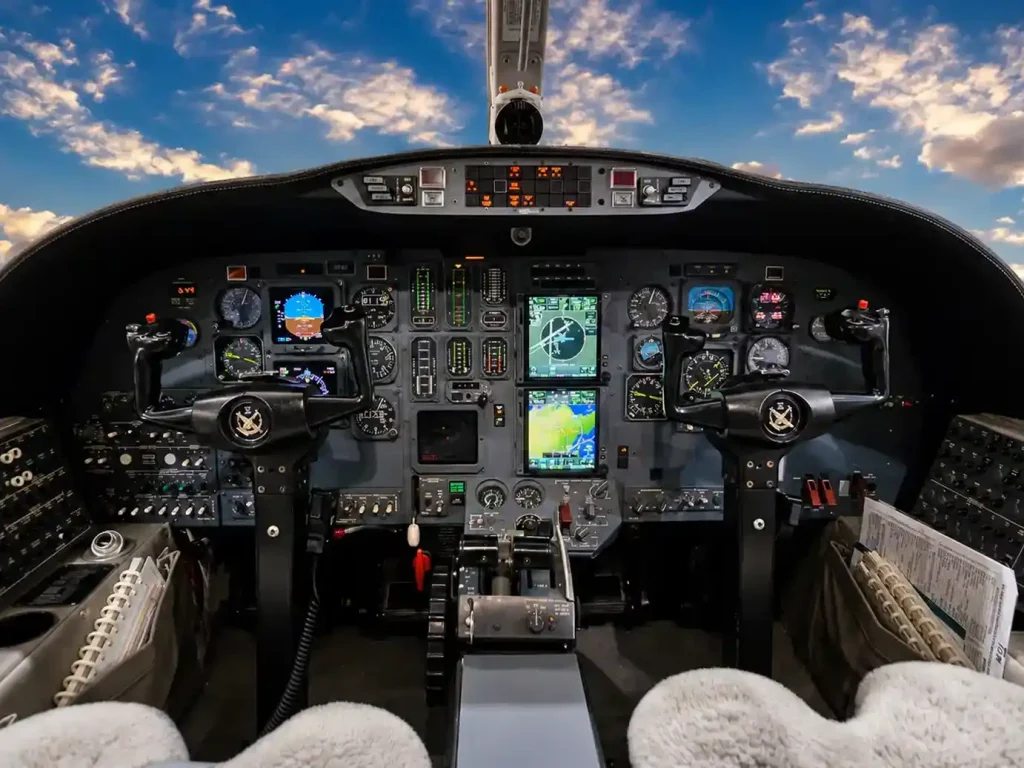
There is a moment most Citation and CJ series operators know well. You are flying an aircraft that performs exactly as it should, but every time you look at the panel, you are aware of the gap between what it can do and what today’s airspace demands. The avionics are original. The displays are analog or early-generation glass. The autopilot does the job, but just barely.
That moment is not a sign of a failing aircraft. It is the starting point for one of the most strategically sound investments in business aviation. According to Airbus Corporate Jets’ analysis of JETNET data, the average U.S. business aircraft is 18.5 years old, and in 11 states the average exceeds 20 years.
For Citation and CJ series owners, that age gap is precisely why avionics upgrades have become one of the smartest ways to extend the useful life of a platform with plenty of flying ahead.
But light jet avionics upgrades are not a one-size-fits-all project. The Citation and CJ series each present their own architecture, certification history, and STC landscape. Understanding what makes these platforms distinct is the first step toward building an upgrade plan that actually delivers.
What Makes the Citation and CJ Series Different from Other Light Jets
The Citation family spans decades of production and several distinct generations, from the original Citation 500 series and the follow-on Citation 550 through the Citation Excel, XLS, and the CJ1 through CJ4. Each generation brought different avionics architectures, different autopilot systems, and different panel configurations.
That variation is not incidental. It is the reason no two Citation or CJ upgrade projects look exactly alike.
What unites them is the opportunity. These are capable, well-supported platforms with strong residual value and a broad service ecosystem. A well-planned avionics upgrade does not just modernize the cockpit. It extends the aircraft’s competitive life, improves dispatch reliability, and positions it for the airspace pilots fly in today.
The Core Upgrade Decisions for Citation and CJ Series Operators
When Citation and CJ operators sit down to plan an avionics upgrade, three decisions tend to drive the rest of the project.
Display and flight deck modernization is often the most impactful single upgrade for these platforms. Transitioning from legacy analog or early-generation glass to a modern integrated display system like the Garmin G600 TXi delivers a large-format primary flight display and multi-function display in a form factor engineered specifically for retrofit applications. It integrates cleanly with existing avionics architectures and supports a phased upgrade path, which matters when operators are managing project scope and budget across multiple seasons.
Autopilot capability is the next decision point. Legacy autopilots in Citation and CJ series aircraft often lack the coupled approach capability and altitude pre-select precision that operators expect in modern IFR operations.
The Garmin GFC 600 flight control system represents a significant step forward for these platforms, delivering coupled WAAS LPV approaches, envelope protection, and reduced crew workload on every flight. For single-pilot operations, this is not a luxury upgrade. It is a meaningful operational improvement.
Navigation and communication round out the core project. The GTN 750Xi and GTN 650Xi navigator series have become the standard for Citation and CJ retrofit projects in the Upper Midwest and across the national fleet.
WAAS GPS, LPV approach capability, integrated traffic, weather, and terrain awareness in a single touchscreen unit resolve a long list of panel complexity issues that plague older Citation avionics architectures. Paired with a modern comm stack, the navigation and communication upgrade alone transforms the flying experience.
Why Platform-Specific Experience Is Non-Negotiable
Citation and CJ series avionics projects require a shop that has worked on these specific airframes before. The installation nuances are real. Wiring in a CJ2 differs from that in a CJ4. Panel cutouts, breaker configurations, and existing wiring harnesses all affect how a project is scoped and how long it takes to complete.
Working with a team that has hands-on experience with these platforms in an FAA-certified Part 145 repair station means the project is scoped accurately, executed cleanly, and documented correctly from day one. That matters for airworthiness records, resale value, and the reliability of every system installed.
The upper Midwest sees a meaningful mix of Citation and CJ series operations, with aircraft based at regional airports serving everything from corporate travel to medical transport. The demand for upgrades here is real, and the operators asking the questions are experienced. They know what they want, and they want it done right.
Planning Your Upgrade: What to Think About Before You Call
A few things make Citation and CJ avionics projects go smoothly. Know your baseline. Have the aircraft’s current avionics list in hand before the first conversation, including any existing STCs already on the airframe. It saves time, surfaces potential integration conflicts early, and gets to an accurate scope faster.
And consider timing carefully. Combining avionics work with your annual aircraft maintenance inspection is one of the most efficient ways to minimize downtime, reduce duplicate labor costs, and return the aircraft to service faster.
Operators who want to see the full range of what integrated avionics work looks like on these platforms can review Kubick Aviation’s avionics services and upgrade capabilities before reaching out. For a closer look at the depth of Cessna platform work Kubick performs across piston and turbine aircraft, the Cessna 441 Conquest II avionics page is one example of how the team approaches complex Cessna-family projects.
Citation and CJ Series Avionics Upgrades in Michigan’s Upper Peninsula
Kubick Aviation has been serving pilots and aircraft owners across Michigan and the Midwest since 2004. As a Garmin-authorized dealer and FAA-certified Part 145 repair station, the team handles avionics upgrades, aircraft maintenance, and full-panel modernization projects from its FBO location in Iron Mountain, MI (KIMT).
Is Now the Right Time to Upgrade Your Citation or CJ?
If the panel in your aircraft is no longer keeping pace with your operation, the answer to this blog’s opening question is this: light jet upgrades are unique because the platform demands it. The Citation and CJ series were built to last. The right avionics upgrade strategy ensures they continue earning their place in demanding airspace, on your schedule, with the capabilities your operation requires.
Talk with the Kubick Aviation team to discuss your aircraft, your upgrade goals, and what a well-planned project looks like for your specific Citation or CJ platform.